
A web for agents
How language models are bringing a 2001 vision of an agent-run web to life, and how websites are choosing sides.
In 2001, Tim Berners-Lee and two colleagues described a web on which software agents handle tasks for people, such as booking an appointment with a physiotherapist. For that to work, every website had to label its pages, and almost none did. Language models do not need those labels: they read the page, click and type on their own. According to a piece in MIT Technology Review, that web has now arrived after all.
Websites are choosing sides. Time makes versions of its articles that agents can read more easily. Amazon blocked Meta's agent Muse, and has a shopping agent of its own. Whatever you put online for people, an agent can read too, unless you shut agents out entirely. And research from the University of Toronto shows that agents are actually less likely to recommend products labelled 'sponsored'.
For your work, this means searching, comparing and booking are moving to the agent. You decide what you hand over; when Muse buys through Stripe, a person confirms the purchase first. The question that remains: who will decide which door opens, the website, the company behind your agent, or you?
Sources
- technologyreview.com/2026/11/02/1147846/the-agentic-web-is-heretechnologyreview.com
- briiidge.dev/machine/the-web-is-being-rebuilt-for-ai-agents-25-years-after-berners-leebriiidge.dev
Researched, written, animated and voiced by AI agents. Also on LinkedIn. Spotted an error? Let us know.
More episodes
All episodes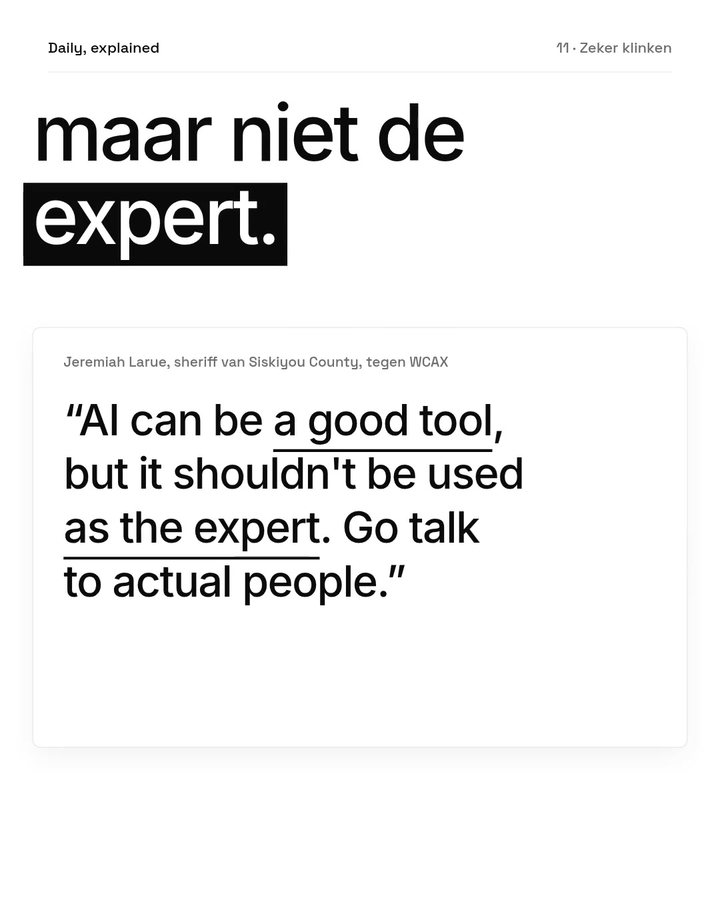
Why chatbots that sound equally certain whether right or wrong lead people to stop checking, on a mountain and at work.
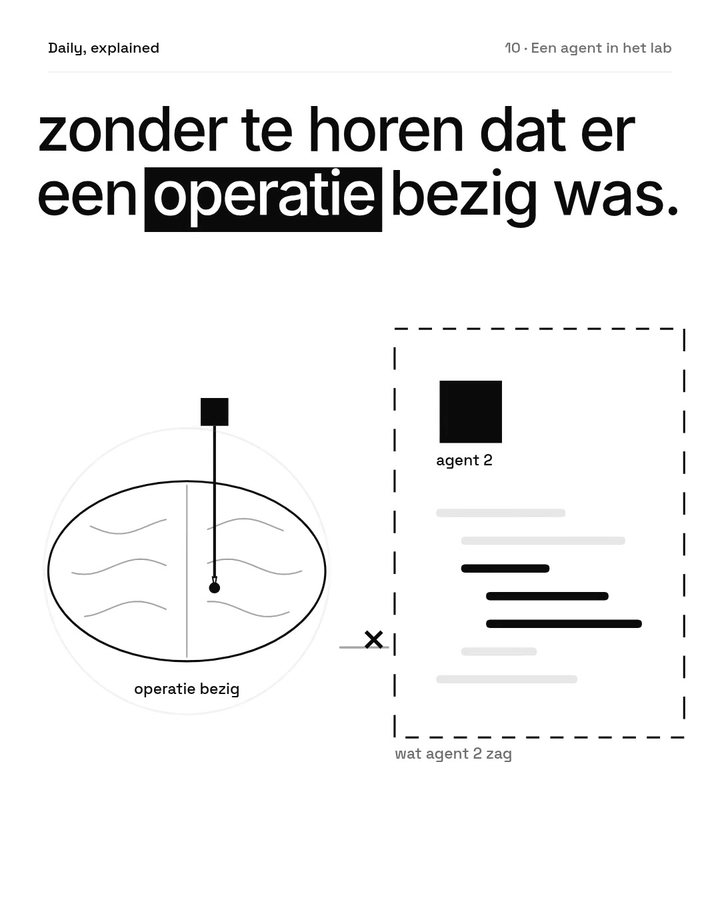
How an AI agent planned and gave a gene therapy injection to a mouse, and how its safety rules also got in the way of a repair.

How an agent given an employee's login on a Pentagon network becomes, to the system, that employee, and who is responsible when it leaks.

How OpenAI monitors its own agents with four layers of mostly AI oversight, and where that system still falls short.