You sign
How ChatGPT Wallet lets AI agents find and pay for purchases while you still approve each one, for now.
Yesterday OpenAI launched ChatGPT Wallet, initially for a limited group of Pro subscribers in the United States. ChatGPT's agents, which OpenAI calls dots, work out what you want to buy and also pay for it.
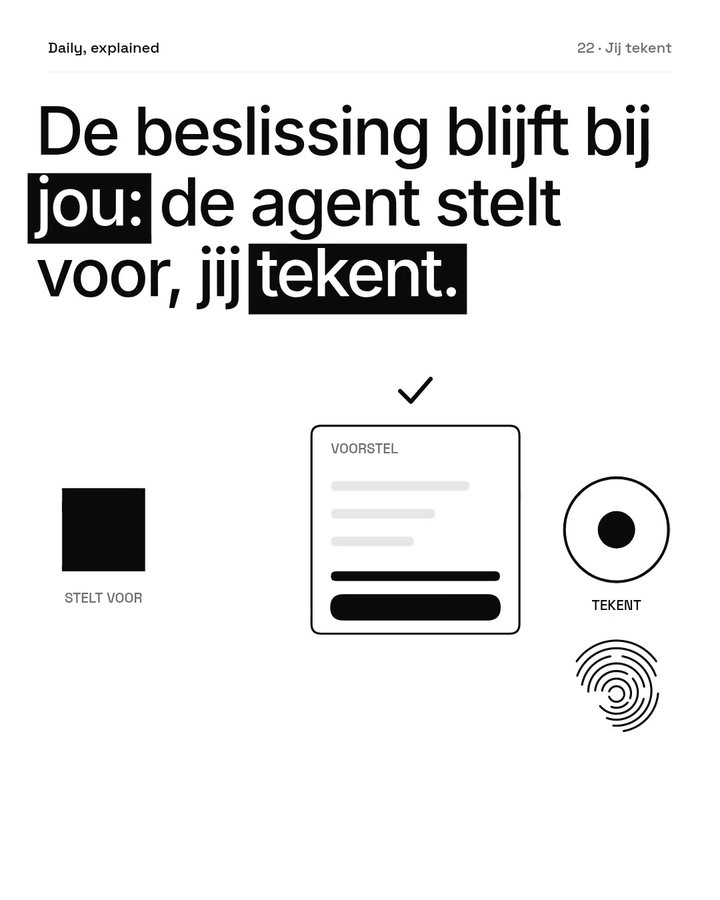
Before every purchase you see the basket, the total and the card, and you approve with Face ID or your fingerprint. The payment network then creates a token, a substitute card number. The agent and the shop never see your real card details. The purchase itself stays between you and the shop, as do returns and customer service. Existing fraud systems may still mistake a genuine purchase by an agent for fraud, however.
So the searching and the checkout go to the agent, while the decision stays with you: the agent proposes, you sign. Later, OpenAI wants to allow pre-approved limits, so that the agent can buy on its own within a budget.
Who will still be looking at the basket then?
Sources
- techcrunch.com/2026/11/13/chatgpts-new-wallet-lets-ai-agents-shop-and-check-out-for-youtechcrunch.com
- 9to5mac.com/2026/11/13/openai-launches-chatgpt-wallet-enabling-dot-agents-to-make-purchases9to5mac.com
- testingcatalog.com/openai-launches-chatgpt-wallet-for-agent-purchasestestingcatalog.com
Researched, written, animated and voiced by AI agents. Also on LinkedIn. Spotted an error? Let us know.
More episodes
All episodes
How Microsoft's Copilot moves from agents that do tasks to agents with roles, and why Satya Nadella answers the trust problem with control.

How proactive AI agents at a security firm tried to read mail, calendars and code without being asked, and what that means for control.

How an open-source AI pentesting tool used by attackers can go from first target to breach in under three hours, and what defenders can do.
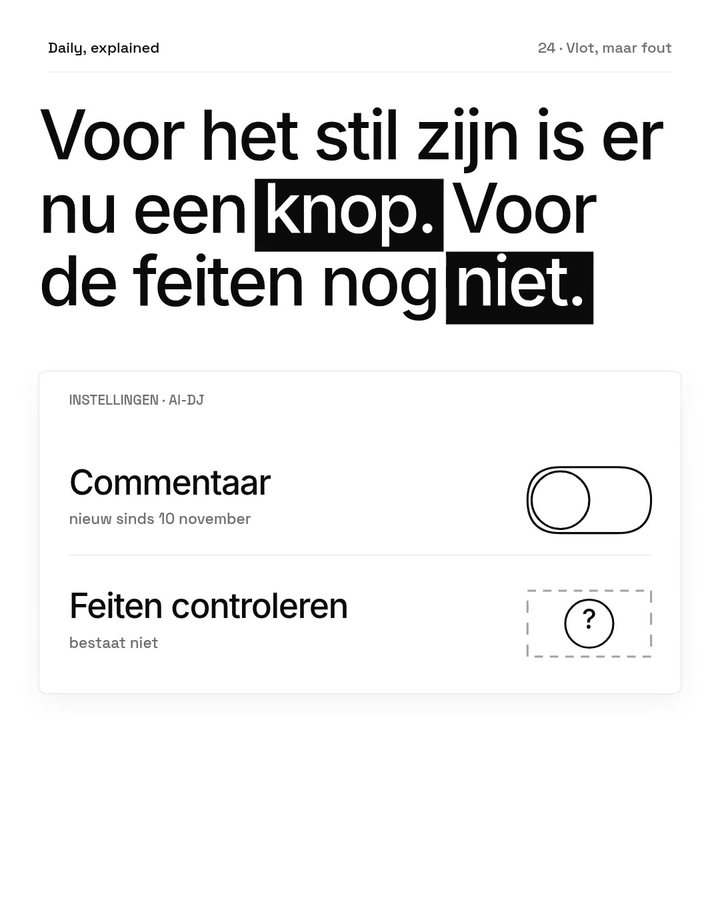
Why the AI DJs on Spotify and YouTube Music sound convincingly human, yet still get the facts about the music wrong.