Artist Hendrik on AI, dreams and the symbiosis between human and machine
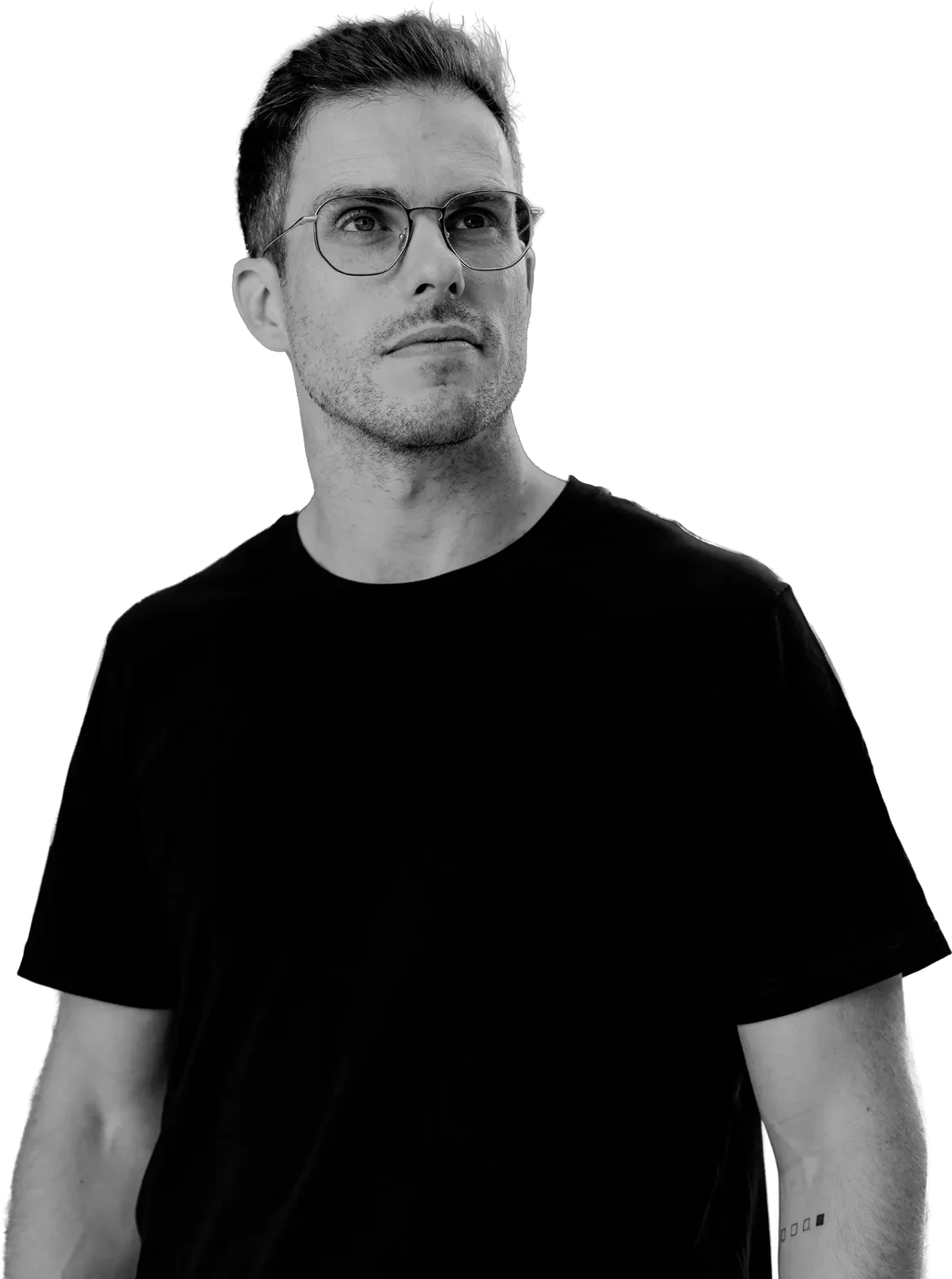
Artist Hendrik, aka Smit, moves between club culture, his gallery and teaching. He sees AI not as a replacement but as a creative partner, and talks about dreams, play and working with the machine.
Through his work he explores how technology is not just a tool but also a co-creator. We speak to him just after he gets home from a weekend at Dekmantel, about his fascination with AI, the way he works with tools like Blender and Unreal Engine, and why playing with technology is essential for artists and students alike.
Hey Hendrik! You were at Dekmantel last weekend. How was it?
For me, Dekmantel is a kind of crossroads moment every year. It’s a mix of networking and fun. A lot of people from the music industry come together there. I see it as a chance to catch up, to dance and at the same time to get my work noticed. You meet new people, and sometimes there’s someone among them who says: “Hey, we’re still looking for visuals for a campaign.” That works well in nightlife culture, where image and music come together so strongly.
Nice. Can you tell us something about the work that’s now on show at Museum Drachten?
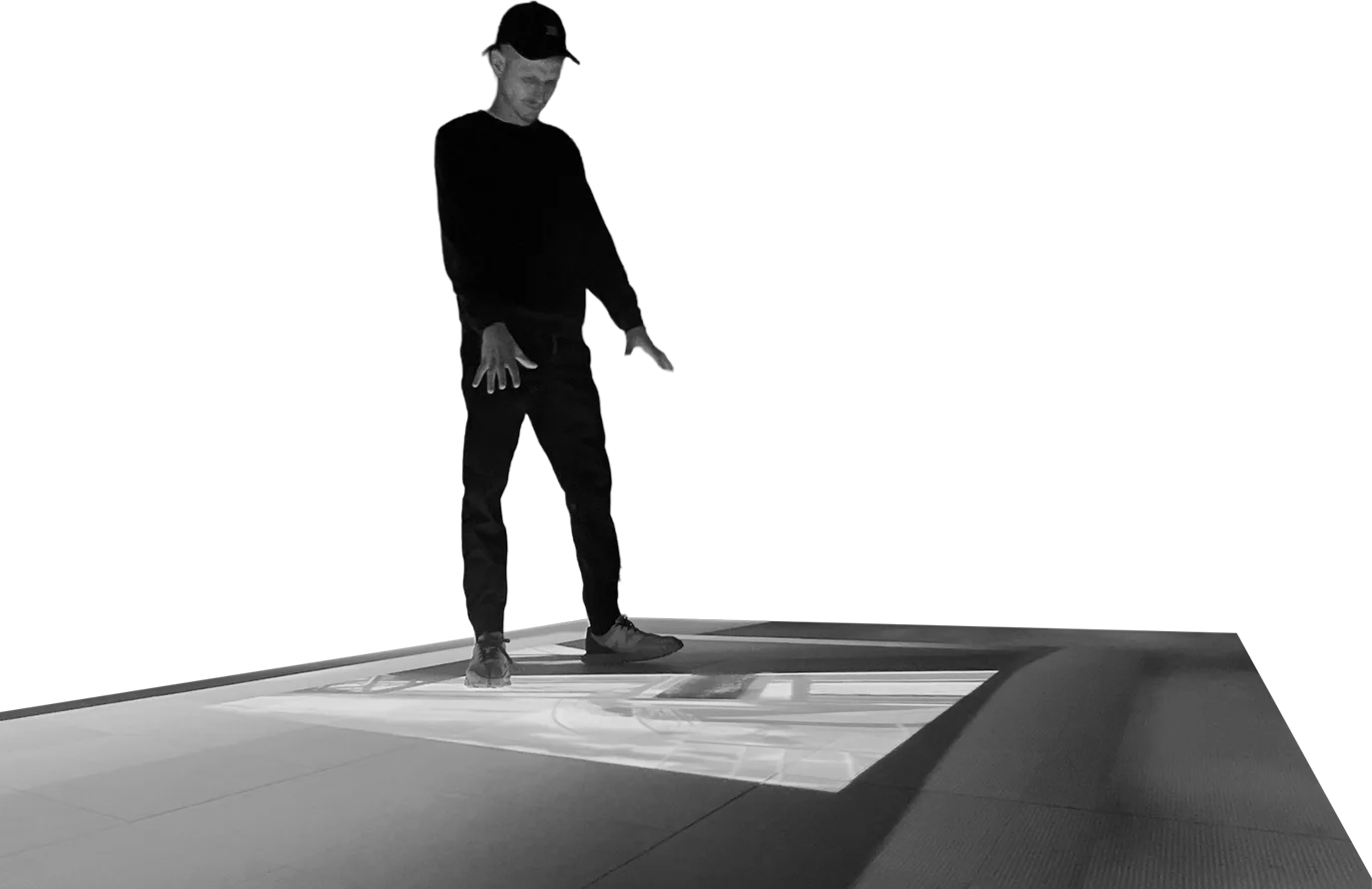
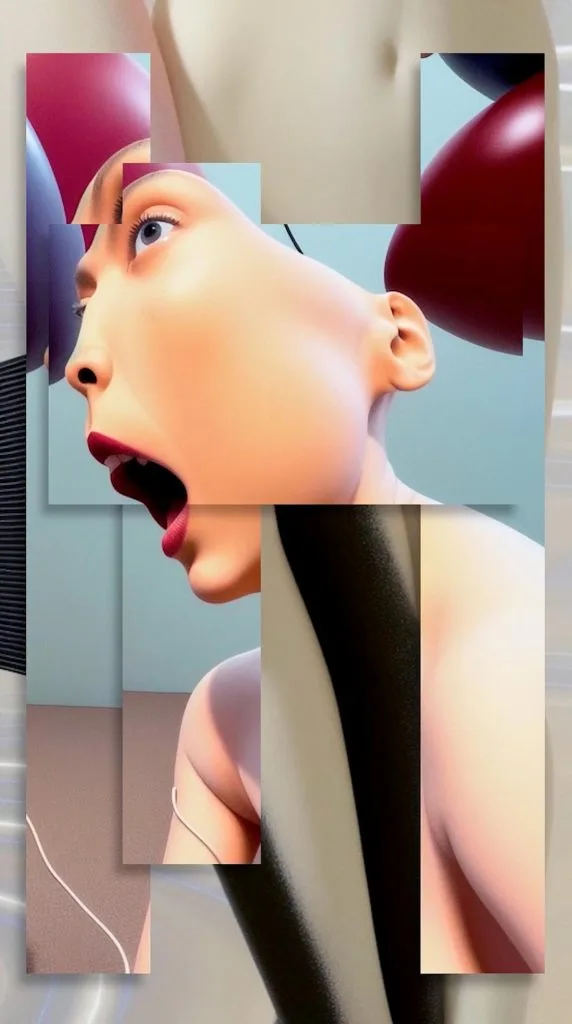
Yes, that work grew out of an earlier installation that I developed further. It’s now a video of about six or seven minutes, shown during the Noorderlicht Biënnale. This year the exhibition is about “machine entanglement”, a theme that fits my work perfectly. In Unreal Engine I made a character based on my own face. I recorded my facial expressions with an iPhone and transferred them onto that 3D model. So it’s very literal: I’m looking at myself, but in a digital dream version. The work is part of the official museum route, alongside photography and screen-based art, in places including Heerenveen, Leeuwarden and Groningen.
How do you use AI in your work?
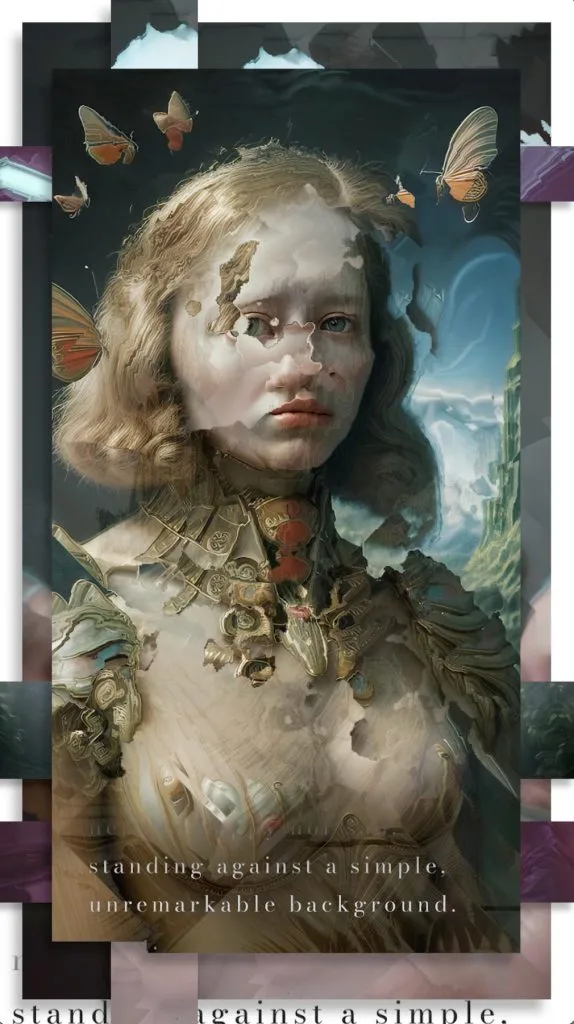
I don’t see AI as a replacement, but as a tool. I use it as a learning aid, in Blender for example, but also as a creative partner. If I’m following a tutorial and after half an hour it turns out to be an ad for a plugin, I’d rather use AI to guide me step by step. It helps me enormously in that process. It lets me grow at my own pace. Sometimes I also use it in a purely visual way: I feed in images, play with variations and develop new directions from them. That interaction with the machine is almost a dialogue. It’s really a form of collaboration in which I keep reflecting: what works, what doesn’t?
And how did that fascination with AI start?
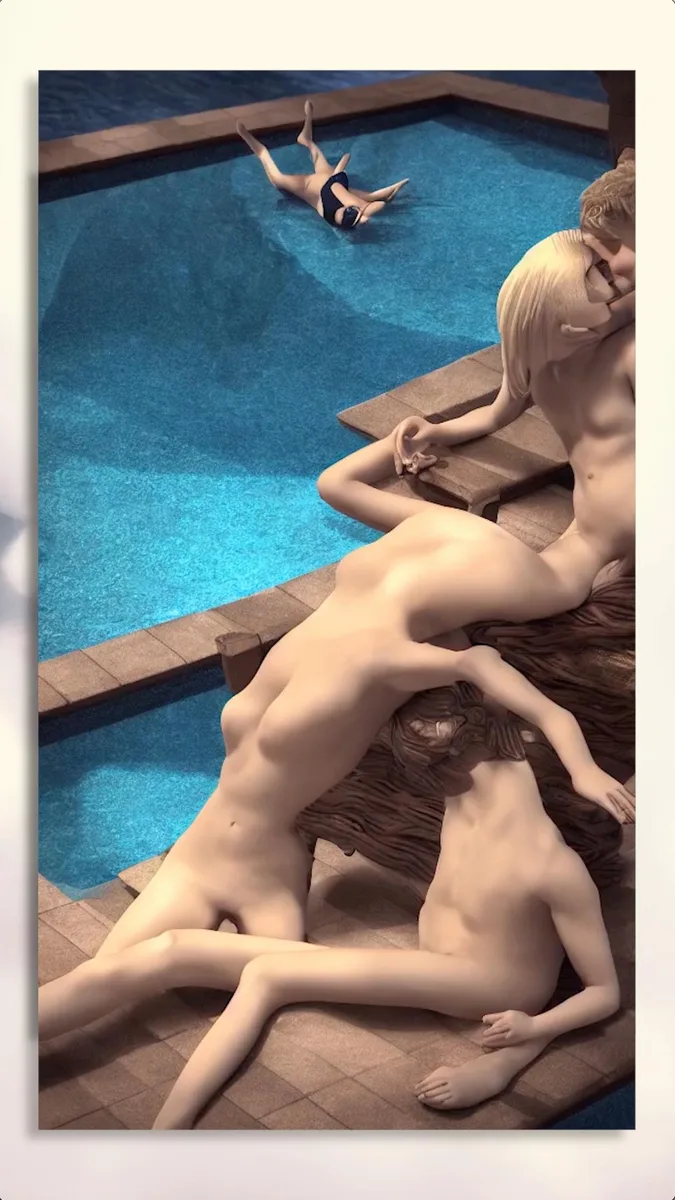
Pretty early, actually. Ever since my master’s, which ran from 2015 to 2018. That’s where I started with creative code. StyleGAN and Deep Dream were still fairly new back then, and I followed them closely. What I found exciting about it was mainly that movement between images, a kind of endless exchange.
But of course I didn’t have the money to actually run a production like that, or a computer that could handle it. I still don’t, really.
Then came Runway, in its old form. Back then it was still a meeting point between artists and programmers. You could run modules on it, for things like face recognition or style transfer. After that, tools like Google Colab came along, which meant I could use those kinds of systems after all, even without a heavy graphics card.
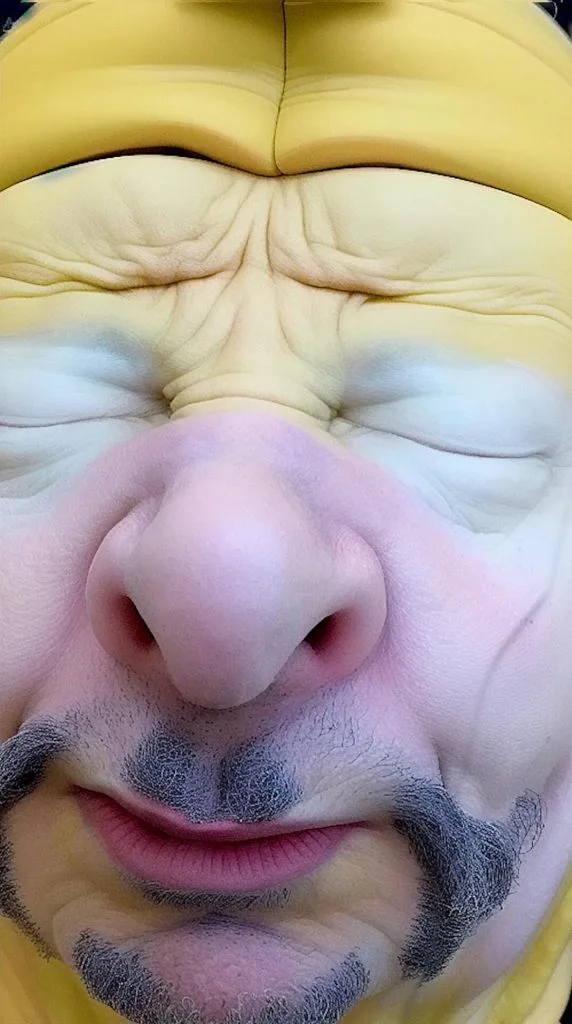
What I still find most interesting is the space in between, when you let two images flow into each other. Not quite the one image, not quite the other. That morph phase is visually vague, but emotionally it really hits home. For me, that’s the moment the machine “dreams”. That’s where my fascination really began. That feeling of a memory that isn’t real, but still has meaning. Just like a dream, in other words.
Do you worry about copyright, and about AI “stealing” your work?
Spielberg once said that we shouldn’t look so much at the input, but at the output. Everyone is influenced by what they see, read and experience. That goes for people and for machines. And yes, there are ways to “mark” your work for machines, for example by subtly working your own face into the image so that it stays recognizable. But I’m more interested in how we can play with AI than in how we can stop it.
So what, in your view, is the real question around AI?
For me it’s not about copyright, it’s about awareness. What does technology do to how we look, think and make? Which systems influence our choices? And how can we take responsibility for that ourselves? Too often I see artists mainly being defensive: “This is mine!” But I find it much more exciting to ask: what can we do with it? How far can you push it? What happens if I feed my entire visual archive to a model as a dataset? That’s where the potential is.
Finally: you also teach at Minerva. What do you think is most important to pass on to a new generation of makers?
That it’s okay to search, to fail and to ask questions. AI isn’t a magic solution, but it is a mirror. And if you learn to ask good questions, you can learn an incredible amount from it. For me it’s a liberation, not because it takes work off my hands, but because it helps me develop myself.
And that they dare to play. Dare to experiment. A lot of the criticism of AI is based on fear and misunderstanding. But if you keep it away from young people, they’ll never learn to use it creatively. Then it stays something that belongs to big companies. Whereas it’s actually powerful when you take control yourself. You don’t have to automate everything. You don’t have to make millions from your couch. But you can grow, learn and develop a new language together with the machine.
Thanks Hendrik!
Thoughtchain
A maker, entrepreneur or thinker talks about how they use AI and what it does to their work and life. At the end, the guest passes the baton to someone whose view they are curious about. Together, the conversations form a chain.
First published in Dutch on August 6, 2025. Read the original.