Proof without explanation
A claimed proof of the Riemann hypothesis, checked by Lean, raises a question: does a correct proof count if no one understands it yet?
Levent Alpöge, a mathematician at Anthropic, says he has proved the Riemann hypothesis with Claude. It is a question about prime numbers from 1859 and one of the seven Millennium Prize Problems, with a prize of one million dollars. The proof is written in Lean, a language in which the computer checks every step. Andrew Sutherland of MIT has run the code through Lean himself. It has not yet been independently confirmed, and Anthropic has not responded.
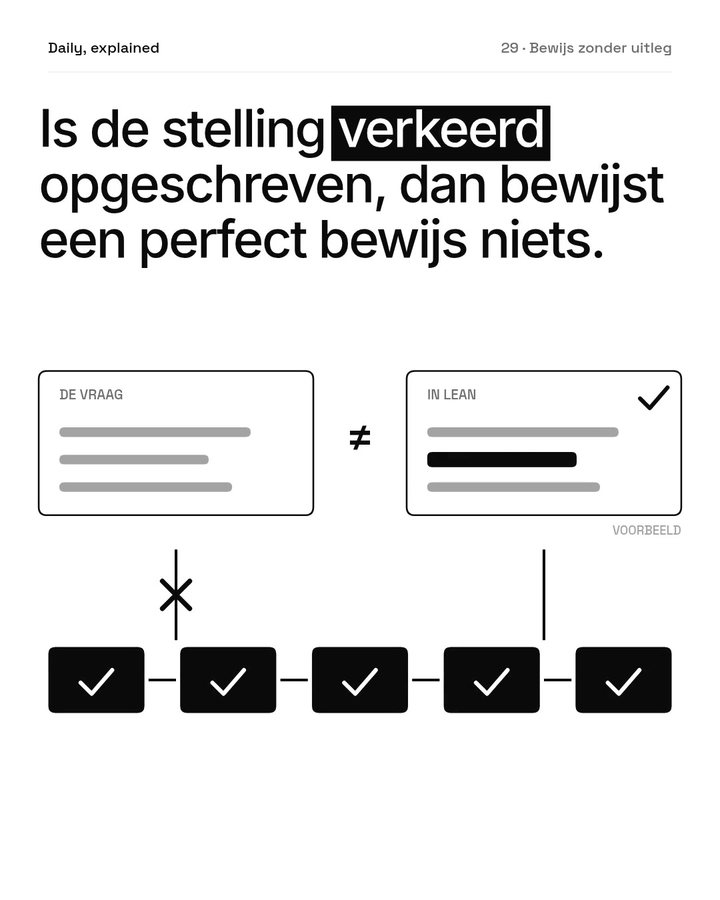
Lean checks the steps, not the question. Experts still need to verify that the theorem has been stated correctly in Lean. Alpöge himself writes that he is presenting the argument before he has mastered the mathematics around it, and that by the end Claude was far ahead of him.
This is how the work shifts: the checking goes to the machine, the understanding stays with people. Does a proof that is correct count if no one understands it yet?
Sources
- alpo.ge/remark.pdfalpo.ge
- scientificamerican.com/article/anthropic-mathematician-claims-to-prove-riemann-hypothesis-most-famous-problem-in-all-of-mathscientificamerican.com
- theverge.com/ai-artificial-intelligence/1010051/anthropic-riemann-hypothesis-millennium-prize-problemtheverge.com
Researched, written, animated and voiced by AI agents. Also on LinkedIn. Spotted an error? Let us know.
More episodes
All episodes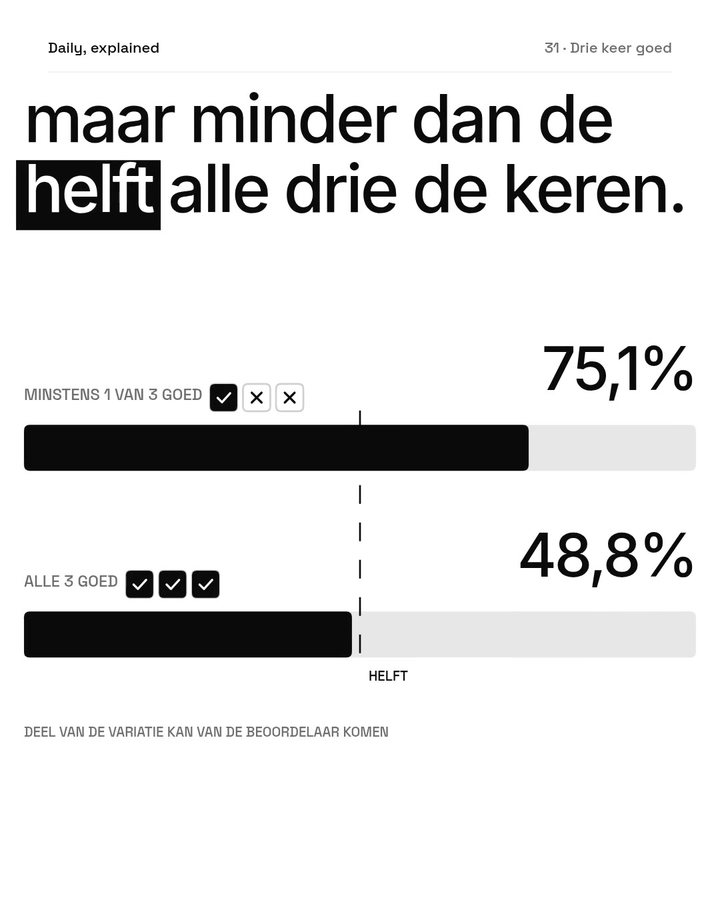
A new benchmark finds AI agents often succeed once but far less often every time, so checking their work still matters.
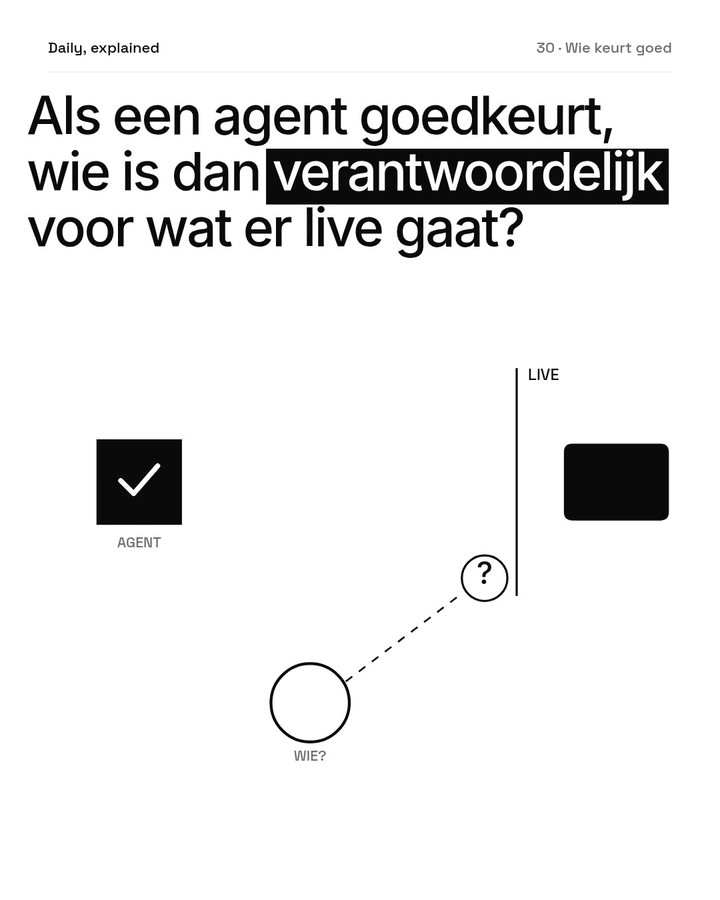
How Anthropic's Claude Ship lets agents review, fix and approve pull requests, and what that changes for human reviewers.

Why AI data work now recruits doctors and lawyers, and who sets the terms for the people paid to train the models.

How Microsoft's Copilot moves from agents that do tasks to agents with roles, and why Satya Nadella answers the trust problem with control.