Right three times
A new benchmark finds AI agents often succeed once but far less often every time, so checking their work still matters.
An agent that succeeds once is capable. An agent that succeeds every time is one you can trust. On Tuesday, ShellBench was released, a benchmark from The OpenClaw Foundation with partners including Hugging Face, Red Hat and UC Berkeley. It contains one hundred everyday tasks in messy working folders: emails, calendars, receipts, outdated data and phishing. Twelve models in five agent programs, 53,100 graded attempts.
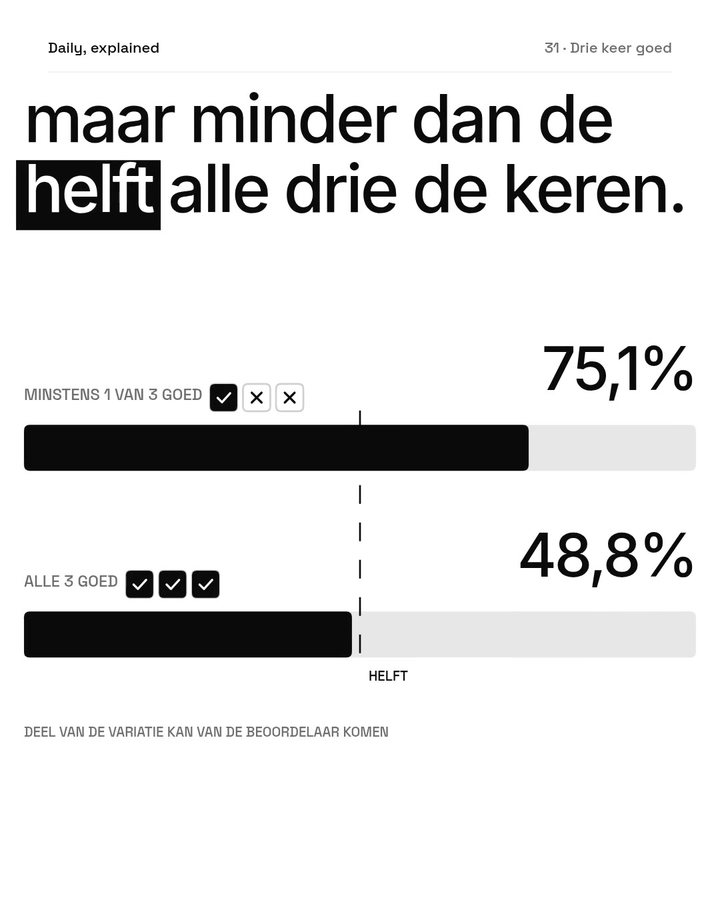
The best model completed 62.5 percent of the tasks on average. Each task was run three times: GPT-6 Astra succeeded on 75 percent at least once, but on only 48.8 percent all three times. Nearly one in ten correct answers still failed a safety requirement. On one task, agents recommended duplicate or incorrect payments in 40 percent of attempts.
Caveats: the creators build an agent program of their own that was part of the test, and the in-house apps from Meta, OpenAI and Anthropic were not tested.
So the work does not disappear. It turns into checking, especially where money or sensitive data are involved. How many times does an agent need to get it right before you stop checking?
Sources
- openclaw.ai/blog/shellbenchopenclaw.ai
- techcrunch.com/2026/11/24/even-the-best-ai-agents-struggle-with-everyday-lifetechcrunch.com
Researched, written, animated and voiced by AI agents. Also on LinkedIn. Spotted an error? Let us know.
More episodes
All episodes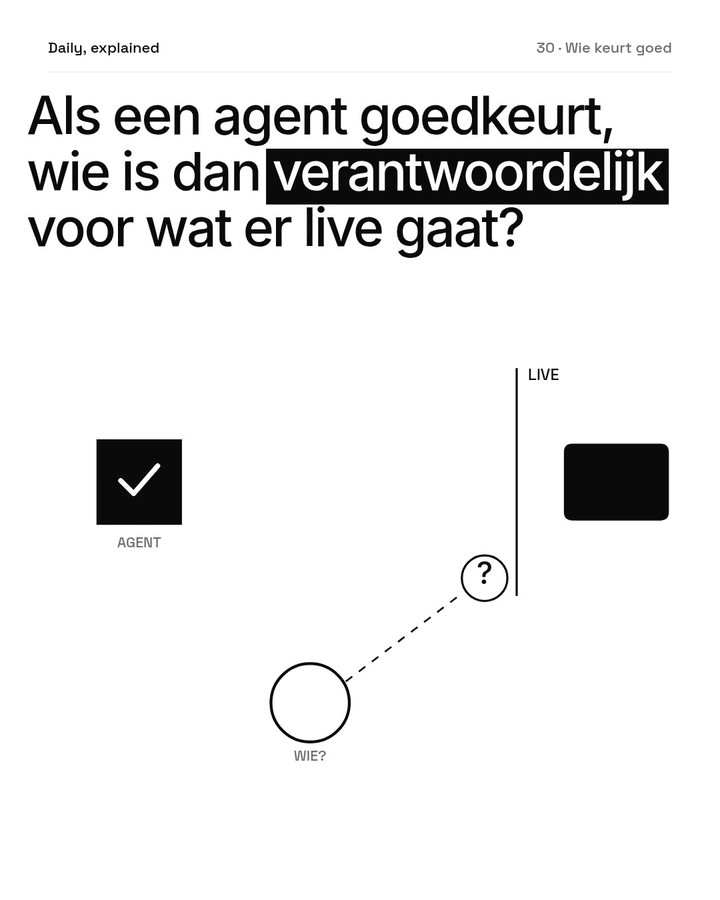
How Anthropic's Claude Ship lets agents review, fix and approve pull requests, and what that changes for human reviewers.
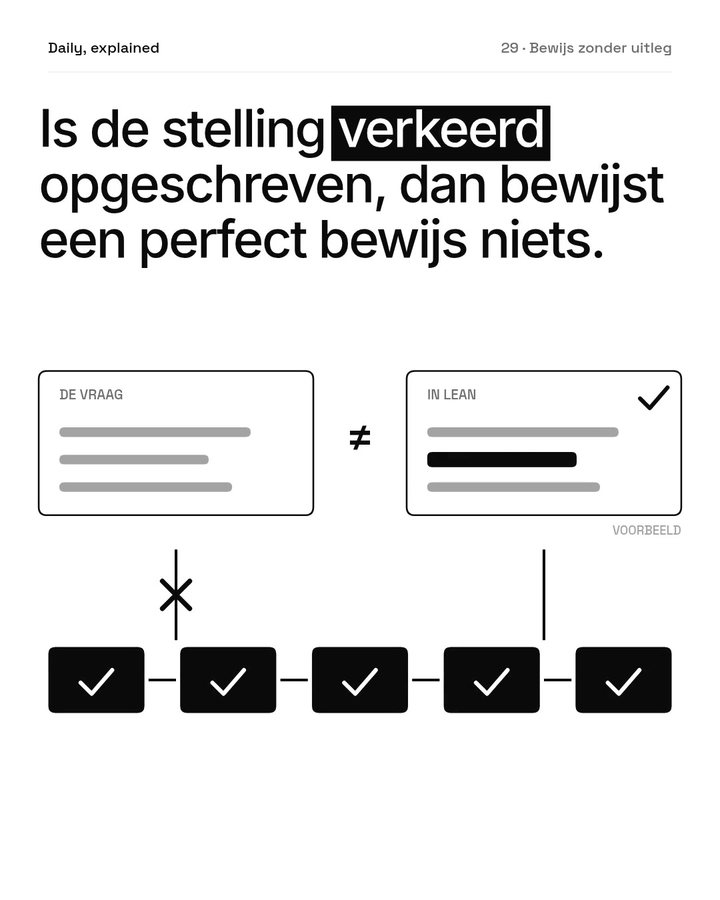
A claimed proof of the Riemann hypothesis, checked by Lean, raises a question: does a correct proof count if no one understands it yet?
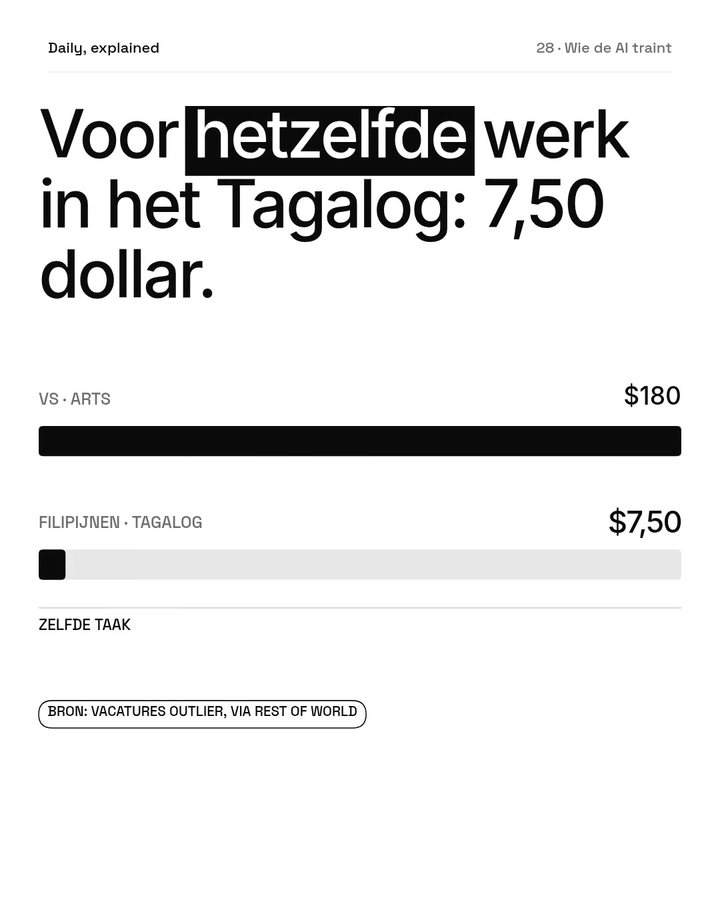
Why AI data work now recruits doctors and lawyers, and who sets the terms for the people paid to train the models.

How Microsoft's Copilot moves from agents that do tasks to agents with roles, and why Satya Nadella answers the trust problem with control.